
Any type of event, hospitality, or social activity that is planned or funded by a business entity is referred to as a corporate event. The target audience for corporate events can be just as broad with such a broad definition, including but not limited to:
Employees
A board member
Stakeholders
Clients / customers
Prospective customers
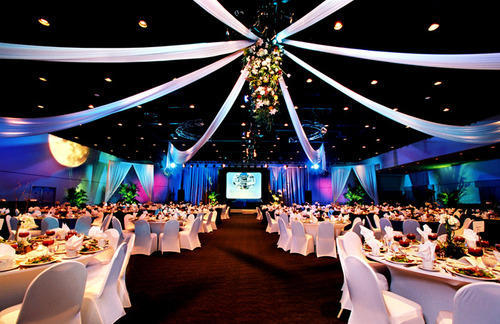
Businesses host events for a variety of reasons, such as to inform, reward, motivate, celebrate, mark important milestones, control organisational change, or promote cooperation.
Over the past few years, significant changes have occurred in the course of events. Social issues are having a significant impact on event trends for 2022, from the pandemic's ongoing effects on businesses to the significant change in societal attitudes toward employment.
Recent Development: Virtual Events

Before the pandemic, there were a tonne of opportunities to network, form deep relationships, and engage with attendees and sponsors at live events. People who could now attend events that they had previously been unable to attend emerged as a new and distinct audience as soon as things went virtual. They could enter a virtual experience they had never had before with the click of a button. According to a recent report from 2015, the UK events industry is worth £39.1 billion and hosts over 1,301,600 events annually, a large percentage of which are corporate events. With so many events, as you might expect, they will take on a variety of shapes.
1. More Virtual And Augmented Reality Integration
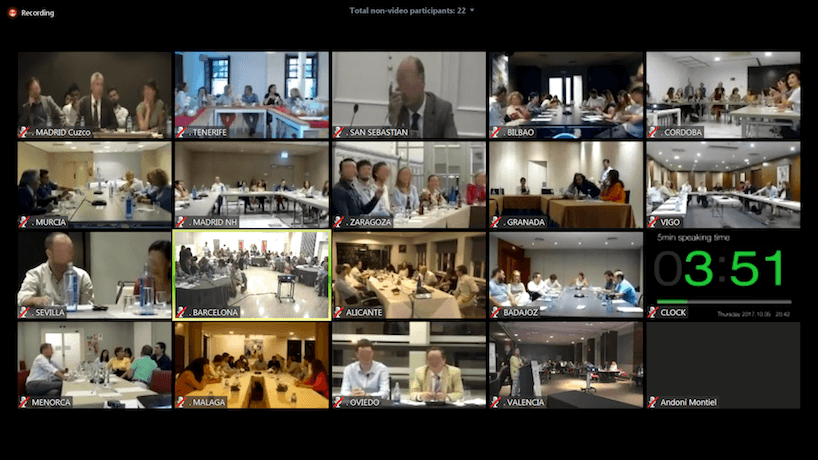
Over the past few years, virtual trends have increased. As augmented reality experiences are a more accessible and affordable alternative for many event professionals, recent data indicates that AR is growing in popularity as an event trend.
2. There is some uncertainty surrounding the return of in-person events.
The 2022 Global Meetings and Events Forecast, which describes the meetings and event trends anticipated for the following year, was recently published by American Express Meetings & Events, a division of AMEX Global Business Travel. The forecast showed that there is strong expectation that live events will resume in 2022: "67% of respondents think that within one to two years, the number of in-person meetings will reach pre-pandemic levels."
The large number of event professionals who have increased their event budgets for 2022 also supports the growth of in-person events: 64 percent of those surveyed.
3. Virtual events increase in frequency while hybrid events continue
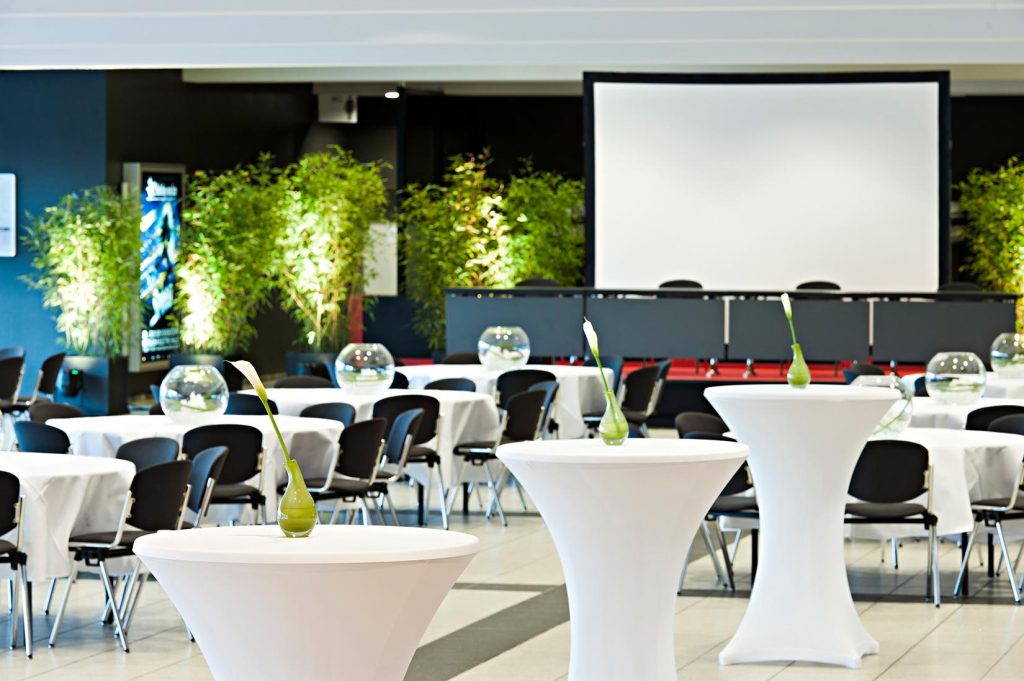
Both hybrid and virtual events are becoming more and more popular in the events sector. In comparison to physical events, virtual events and hybrid events—which combine virtual and physical components—tend to be more environmentally friendly. They may also enable planners to connect with a larger audience.
Many event planners who have adopted virtual events have noticed an improvement in their ROI because of the decreased overhead costs. 93 percent of event professionals told Bizzabo that they "plan to invest in virtual events in the coming future," and 84 percent of planners found that virtual events were significantly more affordable than their in-person counterparts.
Future of hybrid events:

In other words, hybrid events combine the best aspects of holding both physical and virtual events, and they are open to everyone, regardless of COVID-19 restrictions. While some places now permit open gatherings, others might still be closed to domestic or foreign travel. Hybrid events offer the chance for multi-venue events in these situations where travel is restricted, enabling multiple in-person audiences.
Three out of five businesses now anticipate hosting at least one hybrid meeting in 2021 as things start to normalise.
This increased interest in hybrid events can be partly attributed to the events' accessibility to a range of audience types, as was previously mentioned. Additionally, hybrid events may grow in popularity.
However, due to the push for and growing awareness of sustainability.
Large international corporations recently vowed to lessen their carbon footprints and are now coordinating their objectives to meet this agenda. Multi-venue events would allow different audiences to attend events from their closest locations, reducing business travel and, ultimately, carbon emissions, in the spirit of sustainability fueling innovation.
Issues With Hybrid Events
Due to the difficulties in networking with virtual audiences, attendance is less engaged (55 percent )
Planning and carrying out hybrid events will inevitably present challenges (38 percent )
The objectives of organisations won't be as effectively met by hybrid events (27 percent )
Inability to host hybrid audiences due to a lack of technology and support (22 percent )
The cost of holding hybrid events is high (18 percent )
Delivering two experiences while running a single event is a delicate balancing act in hybrid events. Even though the majority of organisations haven't held hybrid events before, there isn't much to be concerned about because technology is more potent than ever and hybrid events are quickly taking over the industry.
The Restoration of Personal Events
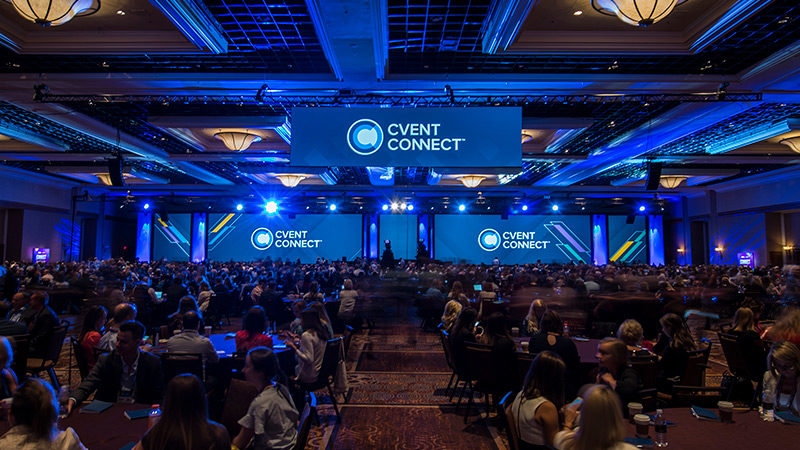
The majority of meeting and event planners are optimistic about the state of in-person events by early 2022, despite the fact that it will be a long road to their comeback. The majority of respondents indicated that it might take two to three years for bigger events and conferences to return to pre-pandemic levels.
Companies should currently require attendees to wear masks, according to 83% of businesses.
Among attendees, 73 percent expressed interest in being asked for their health information (for instance, showing negative COVID test results)
When registering for an event, 72% of attendees wanted to be subject to thermal scanning or temperature testing.
Only vaccinated attendees would be allowed to attend their events, according to 47% of respondents.
Vaccinations are playing an important role
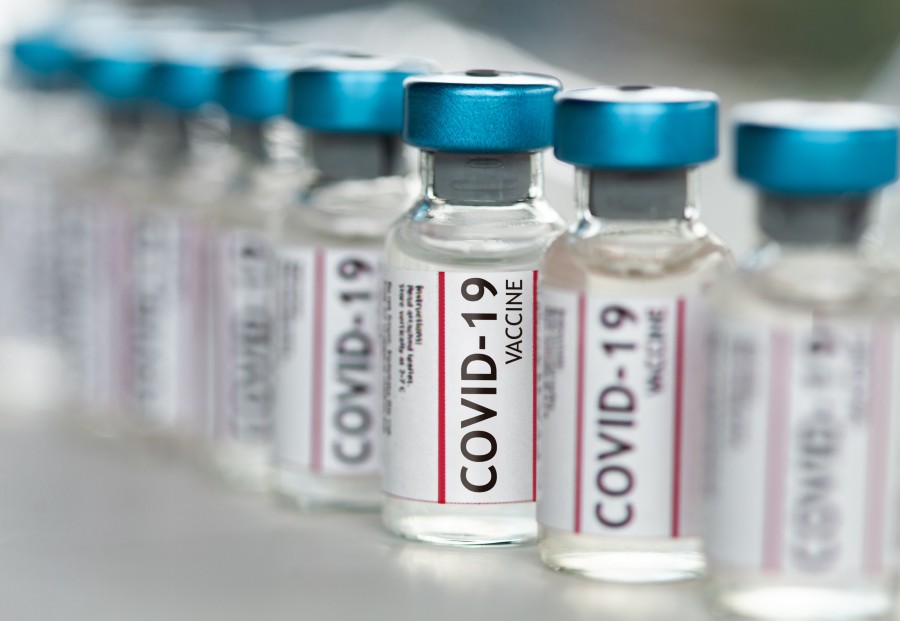
More than 3.25 billion COVID-19 vaccination doses have reportedly been given across 180 countries, according to data gathered by Bloomberg. That would completely immunise about 21% of the world's population.
Similar to this, meeting and conference hosts might ask attendees to show their vaccination records, and in the GBTA study, 47% of businesses said they were interested in doing so.
Observe how popular event trends change by keeping up with them!
Nothing, however, is guaranteed, especially at this time. There is no guarantee that any of these 2022 event trends will materialise, and there is even less of a guarantee that they won't be overshadowed by other trends that could emerge throughout the year.Because of this, it's more crucial than ever to be quick-thinking, conscious, and prepared for change at any time.
Will Future Virtual Events Disappear?

Virtual events gave attendees and event planners access to benefits that were previously unattainable and opened up the world to new possibilities. As soon as attendees could register and check in at an event from the convenience of their homes, attendance numbers quickly increased. The effectiveness of virtual events had a significantly greater impact on survey respondents' perceptions when compared between before and after the pandemic.
Even though more attendees are accustomed to virtual events, the vast majority still favour live events. In-person meetings are now perceived by 76 percent of respondents as being "somewhat more effective" or "much more effective" than virtual meetings, down from 96 percent before the pandemic, according to the GBTA study.
Even though in-person events still have the advantage, this percentage has significantly decreased since the pandemic, and the proportion of people who think virtual events are equally effective to in-person events rose from 3 to 19 percent.
Post a Comment